
Home · Journal · Balanced Portraits
How Expanded Dynamic Range Improves Brand and Portrait Photography in New York
Understanding Dynamic Range for Portrait Work
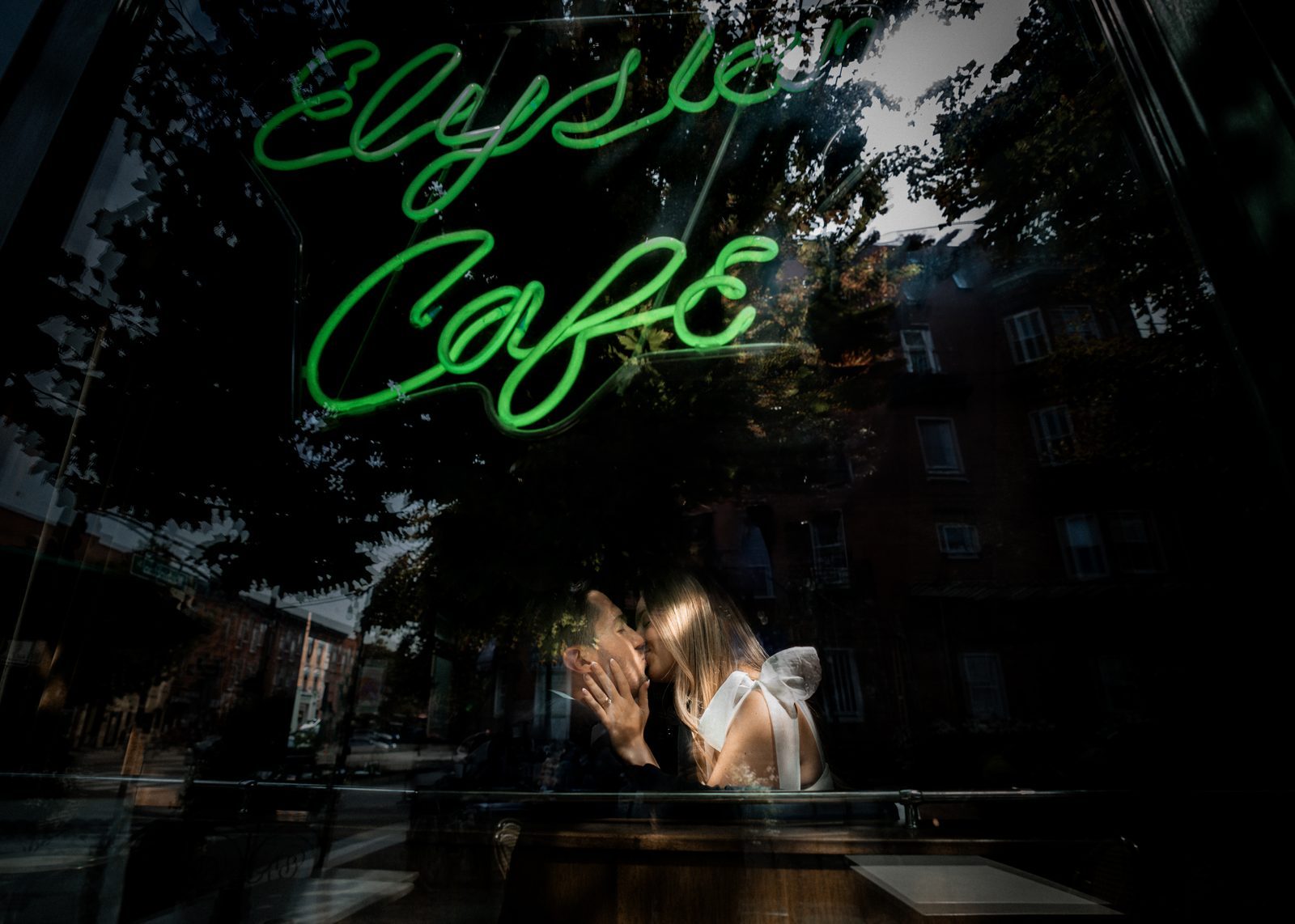
Dynamic range measures the distance between the darkest shadows and the brightest highlights a sensor can record. A wider range means you can keep detail in both bright skin highlights and deep shadows. This capability is essential for flattering New York lighting.
Many photographers underexpose by a stop to protect highlights on busy city streets. Underexposure can lead to noisy shadows and extra time in post. With modern sensors you can expose closer to the scene’s natural light.
The new sensor offers fifteen stops of dynamic range, providing ample latitude for varied lighting conditions. It captures subtle skin tones while preserving background detail in skyscraper reflections. This reduces the need for heavy exposure compensation.
When you shoot with expanded range, your histogram will show a fuller spread across the graph. You can trust the camera to retain highlight detail without clipping. This confidence speeds up on-site decisions during fast-paced sessions.
Clients appreciate images that look natural without obvious darkening or blown-out areas. By using the sensor’s range, you deliver consistent quality across different locations. This builds trust and encourages repeat business.
Preparing Your New York Brand Session
Start each session by scouting the location for natural light patterns. Early morning and late afternoon provide soft, directional light that enhances facial features. Knowing the light helps you set exposure without guesswork.
Discuss the brand’s color palette with the client before the shoot. Ask for specific Pantone or HEX values to match in post. This preparation reduces reliance on the camera’s automatic white balance.
Bring a gray card and a color checker to calibrate white balance on site. Take a quick shot of each before the main session. These references ensure accurate color reproduction for brand consistency.
Select lenses that complement the sensor’s dynamic range, such as a fast prime with a wide aperture. A 85mm f/1.
8 offers pleasing background blur while preserving detail. Pair it with the sensor to capture nuanced tones.
Create a simple shot list that balances portrait poses with brand elements like logos or products. Arrange the list in order of lighting difficulty. This structure keeps the session efficient and focused.
Setting Exposure for Balanced Results
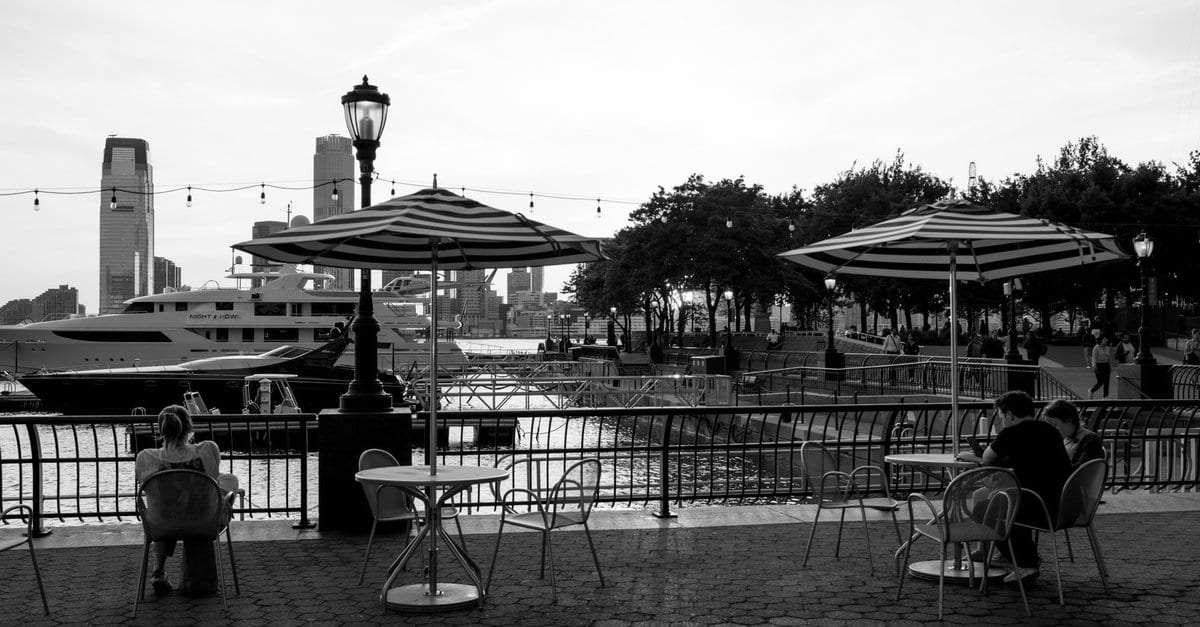
Use the camera’s histogram as your primary exposure guide. Aim for a gentle curve that does not touch the right edge, indicating preserved highlights. This approach replaces the habit of underexposing by a stop.
Enable exposure compensation sparingly, adjusting by no more than a third of a stop if needed. The sensor’s range will handle minor variations without losing detail. This keeps your workflow smooth and predictable.
Shoot in RAW to retain the full dynamic range captured by the sensor. RAW files store more tonal information than JPEG, allowing subtle adjustments later. This flexibility is vital for brand color accuracy.
Check your images on the camera’s LCD with a neutral gray background. Look for blown-out highlights on the subject’s hair or cheeks. If you see clipping, reduce exposure slightly and re-shoot.
Remember to lock focus on the eyes before adjusting exposure settings. The eyes are the focal point of any portrait and should remain sharp. Consistent focus ensures professional results across the session.
Streamlining Post-Processing with Dynamic Range
Import RAW files into your editing software and apply a preset that matches the brand’s visual style. A preset saves time and maintains consistency across multiple images. Adjust exposure only if the histogram shows imbalance.
Use the software’s highlight recovery tool to fine-tune bright areas without introducing artifacts. The sensor’s range provides enough data to pull back highlights naturally. This step preserves skin sheen while keeping details in the background.
Apply a subtle shadow lift to bring out detail in darker areas, especially under the chin or in the background. Avoid over-lifting, which can create a flat look. The goal is a balanced, three-dimensional portrait.
Check color accuracy against the gray card and color checker shots taken on location. Use the software’s white balance selector to match the reference. Accurate colors reinforce brand identity and client satisfaction.
Export final images in both high-resolution TIFF for print and optimized JPEG for web use. Provide the client with a clear folder structure separating brand assets from personal portraits. This organization simplifies delivery and future use.
Communicating Value to New York Clients
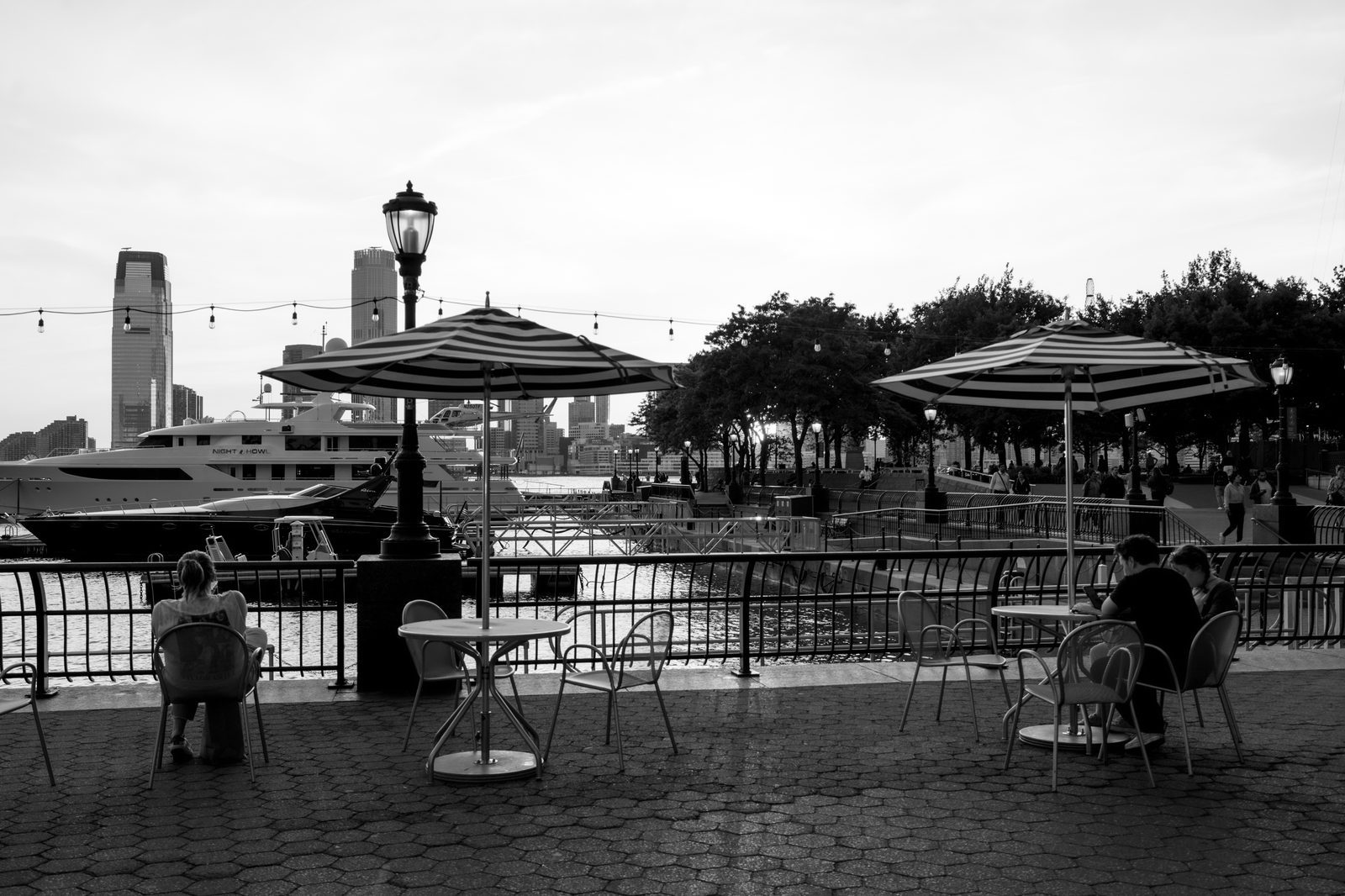
Explain to clients how the sensor’s dynamic range reduces the need for heavy retouching. Fewer edits mean faster turnaround times and lower costs. This transparency builds confidence in your technical expertise.
Share before-and-after examples that highlight the difference between underexposed and properly exposed shots. Visual proof helps clients understand the benefit of modern equipment. It also showcases your commitment to quality.
Offer a brief post-shoot walkthrough of the images on a tablet. Point out how highlights are retained and colors remain true to the brand. This real-time review reinforces the value of the session.
Provide a concise guide on how clients can use the final images across social media and print. Include recommendations for cropping, resolution, and file formats. Clear guidance makes the brand’s visual rollout smoother.
Follow up with a thank-you email that includes a link to the online gallery and a short survey. Ask for feedback on the experience and the image quality. Continuous improvement keeps your service relevant in a competitive market.
Future-Proofing Your Portrait Business
Investing in a camera with high dynamic range prepares you for evolving lighting trends in the city. As rooftop venues and neon signage become popular, you’ll have the flexibility to capture them without compromise. This readiness positions you as a forward-thinking photographer.
Stay updated on firmware updates that improve sensor performance and AI features. Regular updates can enhance color science and noise handling. Keeping the equipment current maximizes its lifespan and value.
Experiment with mixed lighting scenarios, such as combining natural light with street lamps. The sensor’s range will handle the contrast, allowing creative compositions. These experiments can become signature styles for your brand portrait work.
Network with local businesses that need consistent visual branding. Offer package deals that include multiple locations and seasonal updates. Reliable, high-quality images become a selling point for repeat contracts.
Document your workflow and share insights on professional forums or workshops. Teaching others reinforces your expertise and attracts potential clients. Knowledge sharing also contributes to the growth of the New York photography community.
Questions
Do I need the newest camera body for portrait work in New York?
A sensor with strong dynamic range greatly helps, but many recent models provide sufficient range for professional portraits.
How much dynamic range is ideal for city portrait sessions?
Fifteen stops or more gives enough latitude to protect highlights while keeping skin tones natural.
Can I rely on the camera’s automatic white balance for brand colors?
Automatic balance is a good start, but a quick gray-card reference ensures precise brand color matching.
What aperture works best for outdoor brand portraits in Manhattan?
Apertures between f/2.8 and f/4 provide a pleasant background blur while keeping the subject’s eyes sharp.
Sources
Published from Content Studio.